Exploring the Unique Tai Yai Architecture in Mae Hong Son
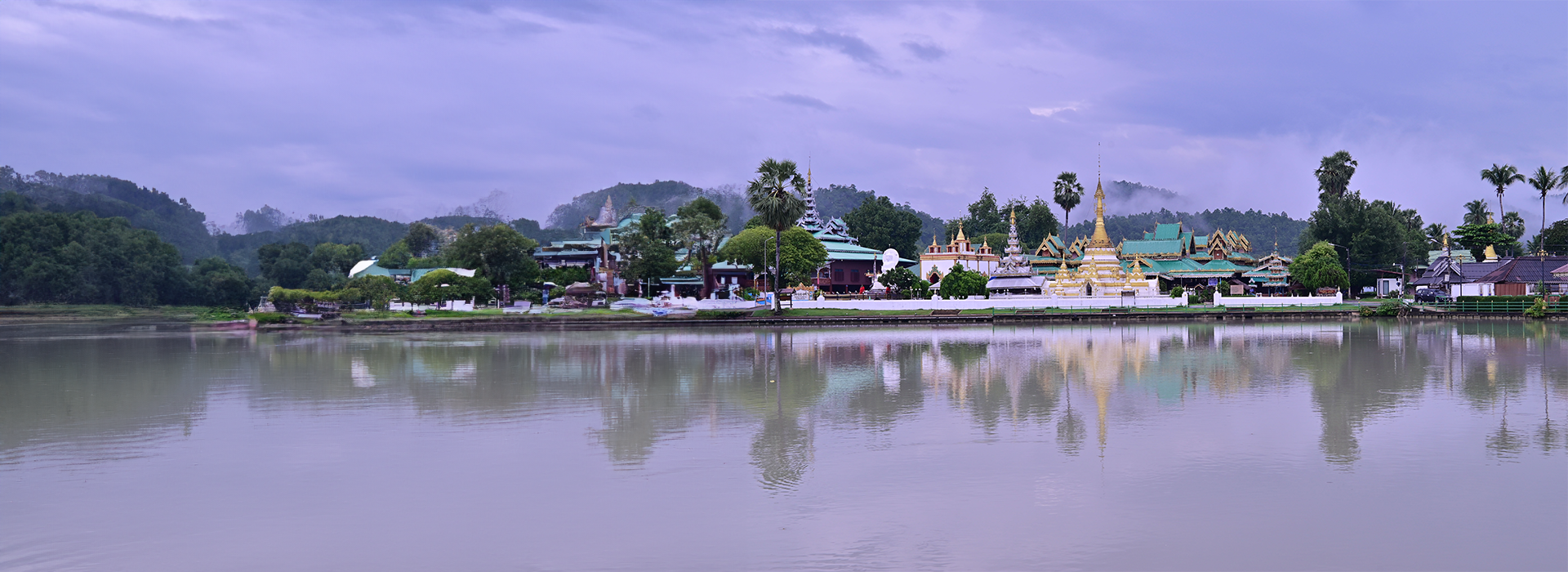
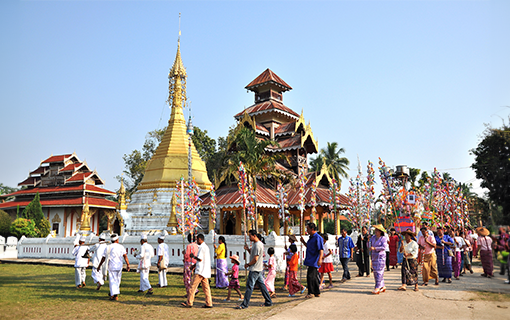
Hey there, architecture enthusiasts! Today, let's dive into the captivating world of Tai Yai architecture in Mae Hong Son, Thailand. The Tai Yai, also known as the Shan people, have a rich cultural heritage that's beautifully reflected in their architectural styles.
The Tai Yai people, originally from the highlands, have migrated from northern Thailand and Myanmar over many years. They've brought with them a wealth of cultural traditions, including their distinct and eye-catching architectural designs that are a true testament to their unique identity.
A Fascinating Comparison:
One of the most intriguing aspects of Tai Yai architecture is its surprising similarity to ancient wooden structures in Norway. This resemblance is so uncanny that it has even inspired Norwegians to publish books comparing the two styles, showcasing just how alike they are despite being from entirely different regions.
Types of Tai Yai Architecture:
In Thailand, Tai Yai architecture can be categorized into two main types: temples and houses.
Temples:
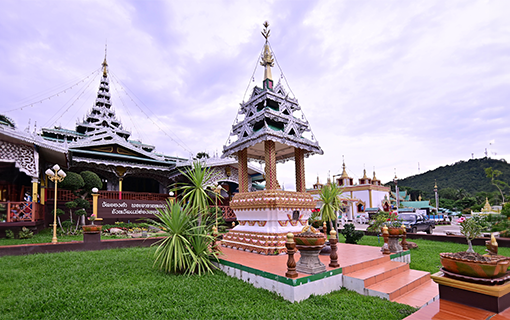
Tai Yai temples are the epitome of their architectural prowess. These religious structures are unique, often combining multiple functions into a single building. A typical Tai Yai temple will house a vihara (monastery hall), a sala (public pavilion), and a kuti (monk's quarters) all under one roof.
What sets these temples apart are their distinct features. Most temple buildings are made of wood, with double-layered roofs and three-tiered eaves, known as "Kosong Samchai" roofs. The more important temples might even boast a mix of these roofs with spired rooftops, all intricately decorated with carved wood or metal patterns and adorned with decorative honeycomb designs on the front.
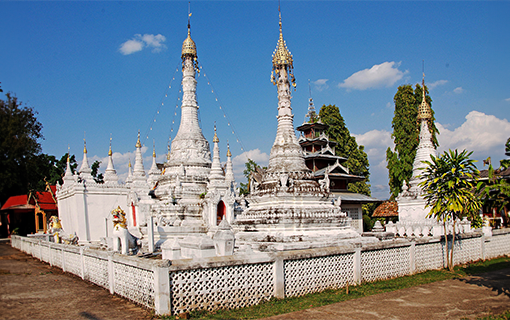
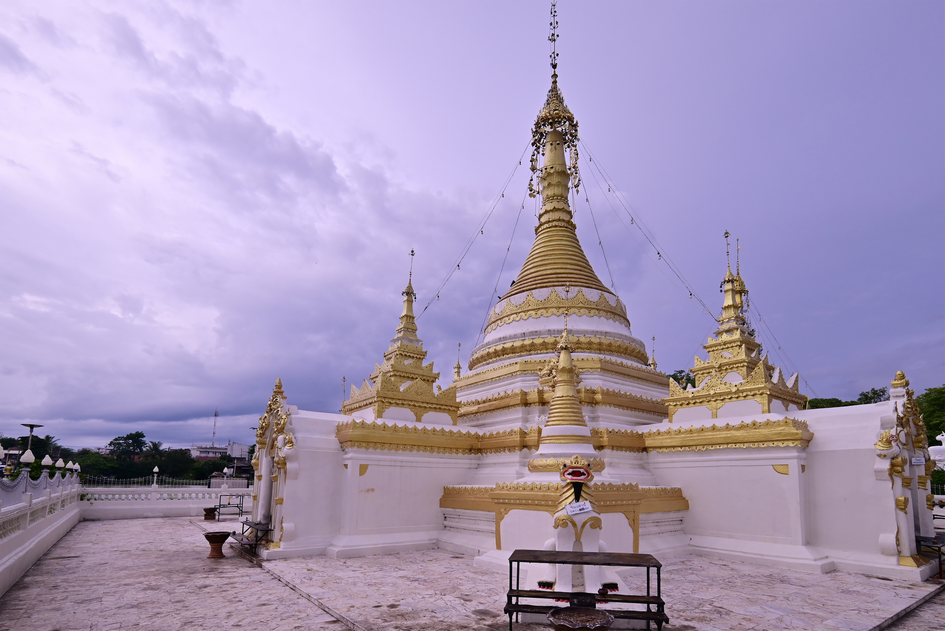
Inside the temple grounds, you'll also find stupas (chedi), which can either stand alone or be clustered together, along with smaller structures like water pavilion halls.
Houses:
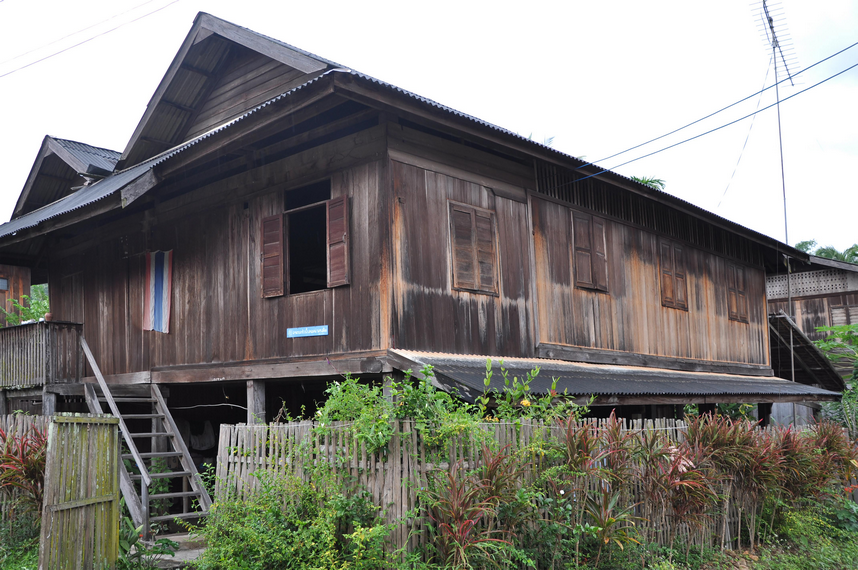
When it comes to Tai Yai houses, there are two main styles: ‘Heun Long Song Song’ and ‘Heun Long Toy Liao.’
Heun Long Song Song: These houses feature two connected roofs with a gutter in the middle and consist of a living area and a kitchen. The living area and kitchen can be part of the same structure or separated. This style is typically suited for larger families.
Heun Long Toy Liao: These houses have a single roof with separate living and kitchen areas, making them ideal for smaller families with fewer members.
A Reflection of Tai Yai Life:
The difference between temples and houses is quite striking. Temples are ornate and elaborate, serving as the heart of religious activities, while houses are simple and straightforward, reflecting the daily lives and community practices of the Tai Yai people. Despite these differences, both architectural styles beautifully showcase the Tai Yai identity.
So, next time you find yourself in Mae Hong Son, take a moment to appreciate the stunning Tai Yai architecture. It's a vivid reminder of the rich cultural heritage and the unique identity of the Tai Yai people.
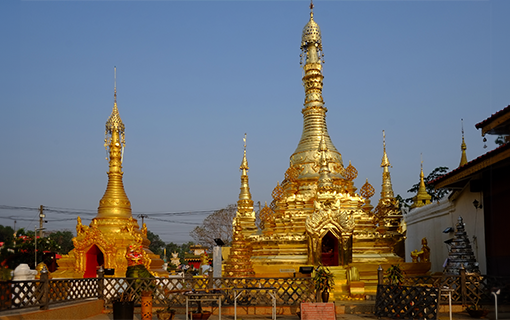
The stupas of Wat Muay Tor in Khun Yuam District have been gilded in gold, appearing more magnificent than ever.
Editor in Chief : Nampetch Siramanon
Editor: Pacific Leisure (Thailand)
Content Creator : Mr. Saroj Na Ayutthaya
Navigate
Terms & Privacy
Pacific Leisure (Thailand) Limited
No. 888/154, Mahatun Plaza Bldg., 15th Floor,
Ploenchit Road, Lumpini, Pathum Wan,
Bangkok 10330, Thailand
Phone : +66 22 542 966
Mobile : +66 63 224 1384, +66 81 138 2983
Email : info@pacificleisureth.com
Website : https://www.PacificLeisureTH.com
(TAT) Licensed No: 11/00161